
The Foundations of Ayurvedic Nutrition – Personalized Balance Through Digestion
According to Ayurveda, health begins with digestion. Ayurvedic nutrition supports metabolism, the nervous system, and the body’s balance in a personalized manner.



According to Ayurveda, health begins with digestion. Ayurvedic nutrition supports metabolism, the nervous system, and the body’s balance in a personalized manner.
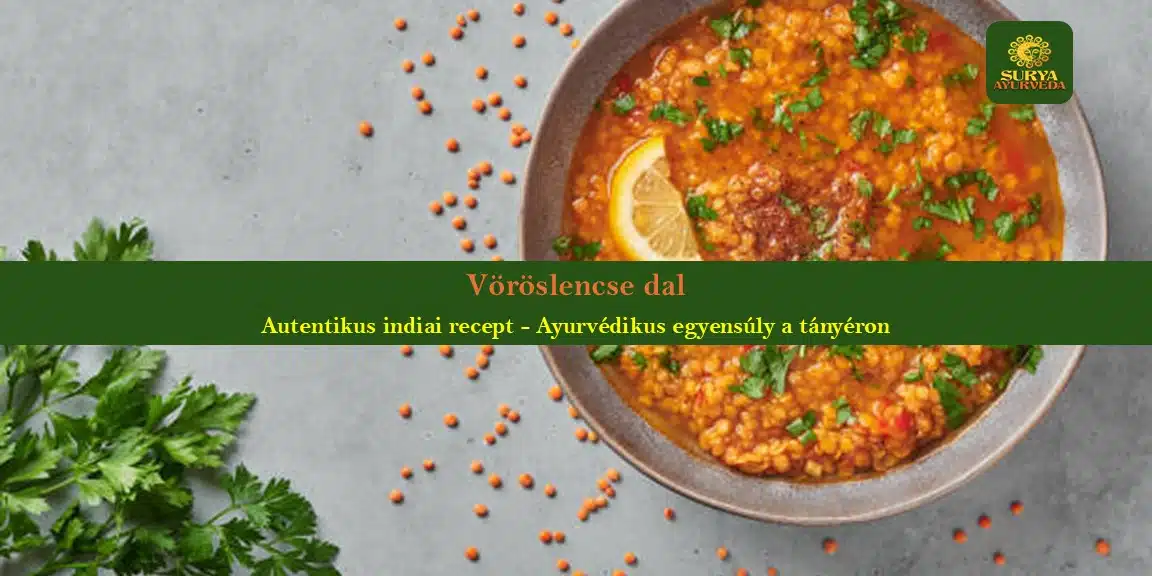
Authentic Indian Red Lentil Dal Recipe with an Ayurvedic Approach. An easily digestible, nourishing food that supports digestion and balance.
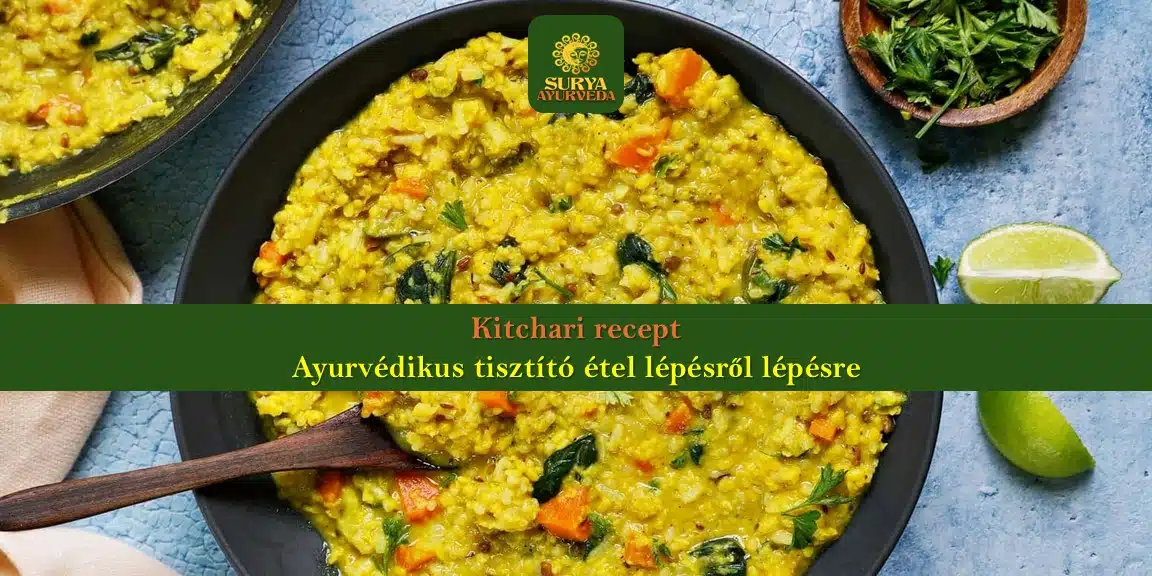
Surya Ayurveda’s classic kitchari recipe – with an Ayurvedic approach. A cleansing, easily digestible dish that supports agni and spring regeneration.
The simplest and most effective tool for restoring balance is nutrition. Instead of counting calories, Ayurveda focuses on the 6 basic tastes (Rasa). By consuming the appropriate tastes, we can calm excessive energy (such as Pitta’s fire) and strengthen missing qualities (such as Vata’s grounding).

Autumn Diet and Lifestyle – Ritucharya – Tips for Vata, Pitta, and Kapha
Autumn’s Dosha: The Dominance of Vata
Autumn – especially the late autumn months – is governed by the Vata (air and ether) dosha.
Due to the cool, dry, and windy weather outside, the cold, mobile, and dry qualities of Vata also increase within you. This can affect your nervous system (anxiety, sleep disorders), your skin (dryness), your digestion (bloating, constipation), and your joints (stiffness, pain).
Your primary task during this period is to counteract the dry, cold, and mobile qualities of Vata with grounding, warming, and oiliness.

Body-Mind Rejuvenation: Panchakarma Detoxification in Autumn. As autumn arrives, nature invites us to slow down and restore balance – not just in our surroundings, but within our own bodies and minds. According to Ayurveda, the change of seasons, especially autumn, is a time when the Vata dosha intensifies. Toxins accumulated during the summer heat begin to release at this time, typically causing nervousness, digestive issues, and dryness.

Would you like to better understand your body’s signals and proactively take care of your health? Are you struggling with chronic health issues or is prevention your goal?
Book an appointment for an Ayurvedic health assessment with our expert Ajay Singh and embark on the path to healing!

According to the principles of Ayurveda, maintaining physical and mental balance, health, and well-being requires not only the proper ratio of protein, fat, carbohydrates, and vitamin intake, but also the six fundamental Ayurvedic tastes (Rasa): sweet, salty, sour, pungent, bitter, and astringent. These tastes directly influence the doshas (Vata, Pitta, and Kapha) as well as digestion.
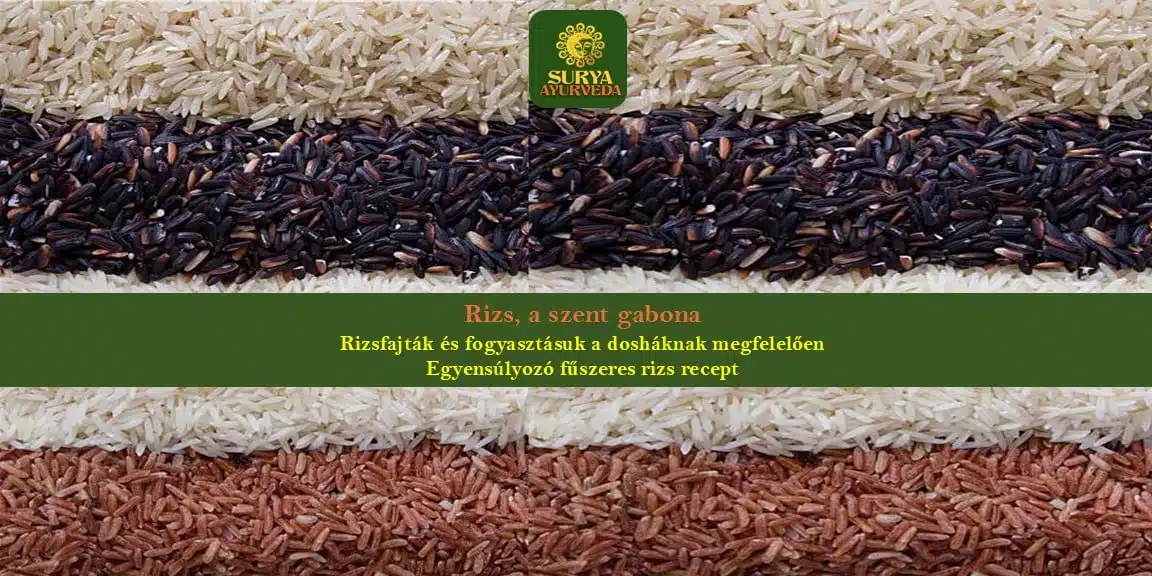
According to Ayurveda, rice is a sacred grain, embodying life itself and the deeper, spiritual aspects of nourishment. This is reflected in Sanskrit, where the word “anna,” which literally means “food” or “cooked, edible rice,” also refers to the physical body. Thus, anna is not merely a food, but the foundation of our outer self, capable of embodying the deeper energies within us.

Citrus fruits, and especially lemons, have beneficial effects during summer heat, helping to maintain the body’s Ayurvedic balance. With our Cucumber-Lemon cooler recipe, you can quickly prepare your own Ayurvedic refresher that perfectly pacifies the Pitta dosha and provides instant cooling!

During the summer season, a proper diet and lifestyle are particularly important. Citrus fruits, led by lemon, fit perfectly into this philosophy and offer numerous beneficial effects during the hot months.

When consumed consciously and in accordance with your dosha type, coffee can provide energy, improve digestion, and support blood pressure. By understanding the Ayurvedic properties of coffee and applying these wise tips, you can enjoy all the benefits of your morning cup of coffee without disrupting the natural balance of body and mind.

Summer Heat – Finding it hard to bear? Create your inner balance with the help of Ayurveda. Read Surya Ayurveda’s tips on how to keep cool in the heat.

According to Ayurveda, spring (Vasanta Ritu) is a time for cleansing and renewal, just as nature itself revives. Spring is about strengthening agni (fire) and reducing kapha (moisture).

Making clarified butter at home:
Ingredients: Fresh, homemade or good quality butter.
Preparation:

Ghee, or clarified butter, is derived from the Sanskrit word ‘ghrta’, from the root ‘ghr’, meaning ‘to shine’. Ghee is a traditional Ayurvedic ingredient that has been used for centuries and is a base material in several treatments. In India, it is considered the purest and most sacred ingredient.

Recipes for Kapha Dosha from Surya Ayurveda.

Agni, the God of Fire, is associated with all forms of fire: natural fires, the sun, comets, household fires, sacrificial fires, funeral pyres, and the

VATA DIET CONSUMABLE FRUITS: blueberry, apple (cooked), pineapple, banana, lemon, cherry, date (raw or soaked), persimmon, strawberry, fig (raw or soaked), grapefruit, lime, raspberry, mango,

Kapha Diet: The diet should be warm, light, and dry. Prioritize pungent, bitter, and astringent flavors. Moderate your nutrient intake; three meals a day are sufficient.
It’s not just what you eat that matters – but also how, when, and in what state.
Ayurvedic expert Ajay Singh helps you understand:
???? What is agni, and why is digestive balance important
⚠️ What daily habits can silently weaken your digestion
???? Vata, pitta, kapha — why not all bloating is the same
 Lifestyle tips to support digestion
???? When you should consult a specialist