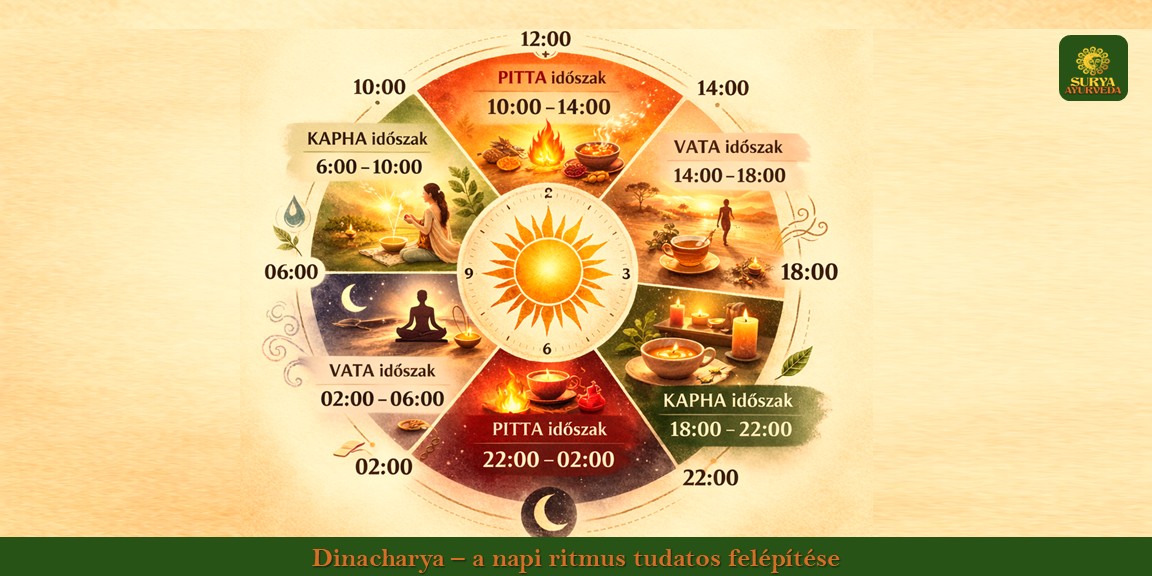


The winter cold and dryness (which Ayurveda primarily attributes to the increase of Vata and Kapha energies) fundamentally disrupts our summer routines. During this time, our body needs much more protection, nourishment, and internal warmth.
Winter Dinacharya (daily routine) is your most important tool to stay balanced and healthy in January and February!
General Winter Rules for Everyone
During the winter period, all of us should follow these three basic rules, regardless of Dosha type:
- Say NO to Cold: Forget raw salads straight from the refrigerator, cold drinks, and yogurts! Consume everything warm and cooked!
- Oil Inside and Out: Against dryness, both internal (ghee, olive oil) and external oil use is essential.
- Later Rising: Do not force waking up too early. Your body needs the extra rest.
Vata Dosha: Grounding and Warmth in the Daily Routine
Vata (Air and Ether) represents cold and dry energy. In winter, it is prone to cold extremities, dry skin, anxiety, and sleep disturbances, therefore it needs grounding and warming the most.
Tips for Vata:
- Wake up later (around 7:00 AM), because Vata burns quickly and you need maximum rest.
- Self-massage (Abhyanga): Perform a daily 15-20 minute massage with warm sesame oil.
- Foods: Consume heavy, cooked grains (e.g., oatmeal, rice) and root vegetables. Everything warm and well-spiced (ginger, cinnamon).
- Movement: Choose gentle, meditative movement, such as Yoga or slow walking.
Recommended Ayurveda Treatments (Vata)
In winter, focus on treatments that deeply nourish and ground, reducing stress and dryness:
- Abhyanga (full body massage): Warm oil is the most important for balancing Vata in winter.
- Shirodhara: Deep relaxation and nourishment of the nervous system are essential against winter anxiety.
- Patra Potli: Local warm poultice treatment for joint pain and stiffness.
Pitta Dosha: Balance and Oil in the Cold
Pitta (Fire and Water) represents heat and intensity. It tolerates cold well, but due to winter dryness, the skin easily becomes dry and it is prone to excessive internal heat.
Tips for Pitta:
- Wake up: Early, but not too early (around 6:30 AM). Maintain your usual, organized rhythm.
- Self-massage: Use moderate amounts of coconut or sunflower oil against dryness (these are cooling).
- Foods: Consume warm but not too spicy foods. Focus on nourishing grains and sweet vegetables. Avoid strong spices!
- Movement: Engage in moderate intensity sports, such as brisk walking or swimming.
Recommended Ayurveda Treatments (Pitta)
In winter, for Pitta Dosha, cooling, detoxification, and hydration are most important:
- Pizhichil: Gentle oil massage that nourishes dry skin without excessive heating.
- Herbal poultices: If the skin is irritated or dry in winter, special herbal poultices soothe it.
Kapha Dosha: Stimulation and Lightness
Kapha (Earth and Water) represents heaviness and stability. Due to winter’s cold and damp energy, it is prone to excessive mucus formation, stagnation, weight gain, and lethargy.
Tips for Kapha:
- Wake up: Early (around 6:00 AM), and do not go back to sleep! Early rising helps activate the system.
- Self-massage: Herbal powder massage (Udvartana) is most effective, or very little light oil. This stimulates the lymphatic system.
- Foods: Consume light, warm, dry, intensely spiced foods. Avoid dairy products and excessive oil. Ginger, cinnamon, and pepper help.
- Movement: Choose intense, sweating sports, such as cardio, running, or weight training.
Recommended Ayurveda Treatments (Kapha)
Kapha’s winter routine is about stimulation, enhancing energy flow, and detoxification:
- Udvartana (powder massage): Massage with dry herbal powder, which excellently breaks up Kapha stagnation and aids detoxification.
- Abhyanga Oil massage, but with Kapha-balancing, lighter oils (e.g., mustard oil), in small amounts.
Remember: The best advice is to listen to your own body’s signals!
Would you like to embark on an Ayurveda treatment or try a massage suited to your body?