

According to Ayurveda, the Vata dosha – Vata body type – represents the fundamental principles of movement, freedom, and change. It is composed of the ether (space) and air elements and governs all dynamic processes in the body: from breathing and blood circulation to the transmission of nerve impulses. Vata individuals embody creativity and enthusiasm, but their inner “wind” can easily throw them off balance, causing anxiety and uncertainty.
Vata provides mental agility, yet it is the most prone to energy depletion and nervous system overload.
Vata Characteristics: Thin body, quick mind
Physical Traits of Vata Dosha (Prakriti):
- Body Structure: Thin, bony, angular frame. Gains weight with difficulty
- Circulation and Temperature: Often cold hands and feet, weak peripheral circulation. Skin, hair, and nails tend to be dry and fine.
- Digestion: Irregular appetite and digestion, often accompanied by bloating, gas, and constipation.
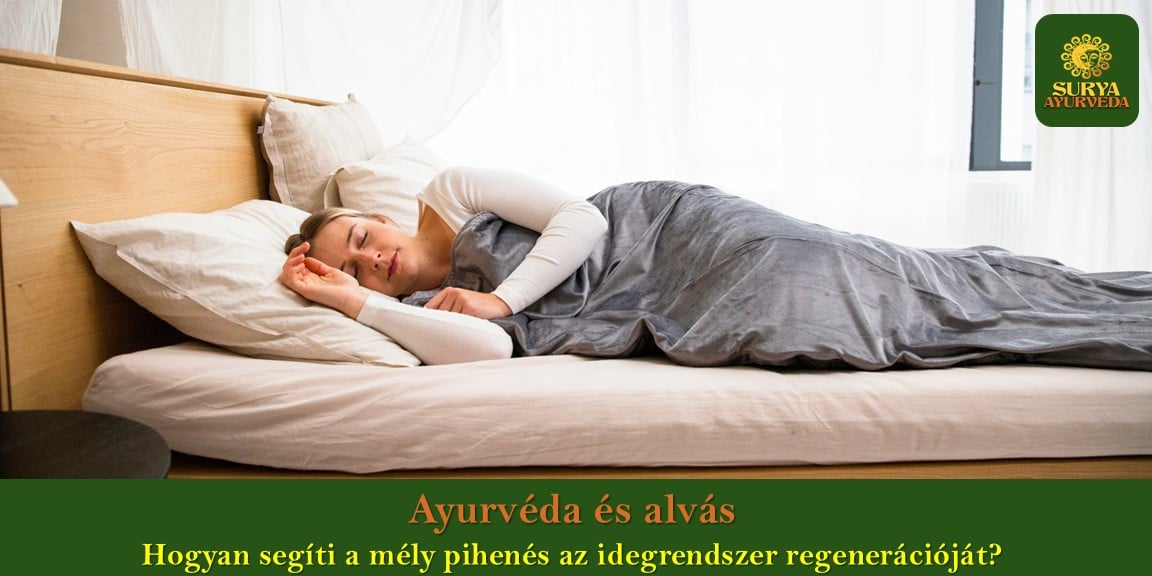
- Sleep: Light, fragmented sleep, difficult to achieve deep rest, frequent awakenings.
Mental and Emotional Traits of Vata:
- Strengths: Excellent imagination, intuition, and artistic abilities. Learns quickly and adapts easily to changes.
- Challenges: When imbalanced, prone to fear, anxiety, and nervousness. Feelings of uncertainty can overwhelm them. Long-term memory may be weaker due to constant mental activity.
Vata Imbalance (Vikriti – Current State) and Solutions
Excess Vata represents an increase in wind. This light, cool, and mobile quality disrupts the digestive fire (Agni), leading to the digestive and nervous system symptoms mentioned above.
Maintaining Vata Balance: Stability, warmth, and routine are key to calming Vata.
- Diet (Rasa): Focus on warm, nourishing, grounding foods: cooked grains, root vegetables, and healthy fats (e.g., ghee, sesame oil). Avoid cold, raw foods and stimulants (e.g., caffeine). Sweet, sour, and salty tastes are most suitable.
- Lifestyle (Vihara): Maintain a strict daily routine (Dinacharya). Self-massage (Abhyanga) with warm sesame oil and regular, gentle exercise (yoga, walking) are essential for grounding.
- Mental Balance: Practicing Nadi Shodhana (alternate nostril breathing) helps calm an overstimulated nervous system.
Ayurvedic Consultation at Surya Ayurveda
During the health assessment conducted at Surya Ayurveda Massage and Therapy Centers, our Ayurvedic expert, Ajay Singh, not only determines your body type but also uncovers the true cause of any imbalance. He achieves this using traditional Ayurvedic diagnostic methods to gain the most accurate picture of your health, which includes identifying symptoms and creating a personalized treatment plan—encompassing body type determination, pulse reading, assessment of the condition of the skin, eyes, and bones, and identification of health problems. Based on the diagnosis, we recommend treatments appropriate for your constitution, a cleansing cure, lifestyle and dietary advice—a diet suitable for your body type and dosha, yoga practices, and herbal remedies.
Thanks to these Ayurvedic diagnostic tools, Ayurvedic expert Ajay Singh