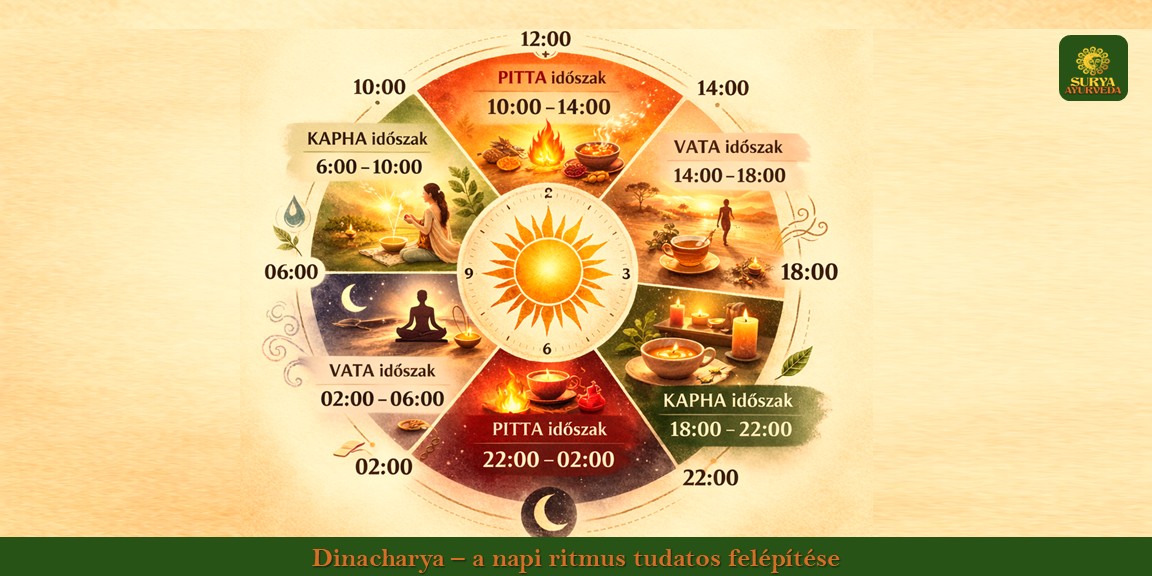


Yoga Day is the perfect occasion to delve into the wonderful connection between yoga and Ayurveda. These two ancient sciences complement each other to help achieve complete physical and mental harmony and well-being. Understanding Ayurveda, which means recognizing our own dosha type (Vata, Pitta, Kapha), is crucial for choosing the most suitable yoga practices for us. This helps maintain balance and prevent potential imbalances.
Which yoga style suits you based on your dosha type?
When selecting yoga practices based on Ayurveda, it is important to consider not only the style, but also the poses (asanas), breathing techniques (pranayamas), and the overall pace of the practice.
1. Vata Dosha (Air and Space)
Individuals with a Vata constitution are typically creative, dynamic, and energetic, but are prone to anxiety, dry skin, and digestive issues.
- Recommended yoga styles: Calming, grounding, slow, and stable practices. Hatha Yoga, Restorative Yoga, or Yin Yoga are excellent choices. These styles help calm the nervous system, strengthen stability, and reduce excessive mobility.
- Suggested poses (asanas): Grounding poses such as Child’s Pose (Balasana), Seated Forward Bend (Paschimottanasana), Bridge Pose (Setu Bandhasana), or any reclining pose. Long-held, supported poses that encourage introspection.
- Breathing exercises (pranayamas), which warm and ground, such as Nadi Shodhana (alternate nostril breathing) or deep abdominal breathing.
- Avoid: Overly fast, dynamic classes and extreme inversions, which can further increase Vata’s mobility.
2. Pitta Dosha (Fire and Water)
Pitta individuals are goal-oriented, intelligent, and intense, yet they may be susceptible to excessive heat production, inflammation, and irritability.
- Recommended yoga styles: Cooling, moderately paced practices that help alleviate internal heat and competitiveness. Moon Salutations (Chandra Namaskar), Hatha Yoga, or slower, more mindful variations of Vinyasa Flow are ideal.
- Suggested poses (asanas): Cooling poses such as Half Moon Pose (Ardha Chandrasana), Fish Pose (Matsyasana), Sitali (cooling breath in pose), or any inversion that calms the mind and draws heat away from the head. Poses that influence the solar plexus chakra without increasing heat.
- Breathing exercises (pranayamas): Cooling breathing techniques such as Sitali (cooling breath) or Sitkari (hissing breath).
- Avoid: Overly strenuous, power-focused yoga (e.g., Bikram, Hot Yoga) and excessive sun salutations, which increase heat.
3. Kapha Dosha (Earth and Water)
Kapha individuals are generally calm, stable, and loving, but are prone to lethargy, weight gain, and mucous membrane issues.
- Recommended yoga styles: Invigorating, dynamic, warming practices that stimulate metabolism and circulation. Vinyasa Flow, Ashtanga Yoga, or powerful Power Yoga are excellent choices.
- Suggested poses (asanas): Faster transitions, plenty of movement, backbends (e.g., Camel Pose – Ustrasana, Cobra – Bhujangasana), standing poses, and inversions (e.g., handstand, headstand), which stimulate energy and help eliminate stagnation.
- Breathing exercises (pranayamas): Cleansing and invigorating breathing techniques such as Kapalabhati (skull shining breath) or Bhastrika (bellows breath).
- Avoid: Overly static, slow practices and prolonged relaxation, which can exacerbate Kapha’s heaviness.
How to incorporate Ayurveda into your yoga practice?
- Pay attention to your body’s signals: Do not merely focus on the external form, but sense how your body and mind respond to the practice.
- Be conscious of your breath (Pranayama): Breathing exercises are crucial for both Ayurveda and yoga. Choose a pranayama that balances your dosha.
- Embrace the wisdom of the seasons: According to Ayurveda, the seasons also influence the doshas. Adjust your yoga practice to the current season (e.g., cooling practices in summer, warming practices in winter).
Yoga Day presents an excellent opportunity to rediscover a deeper connection with your body and mind. Understand your dosha and explore how yoga can assist you in becoming your most balanced self!