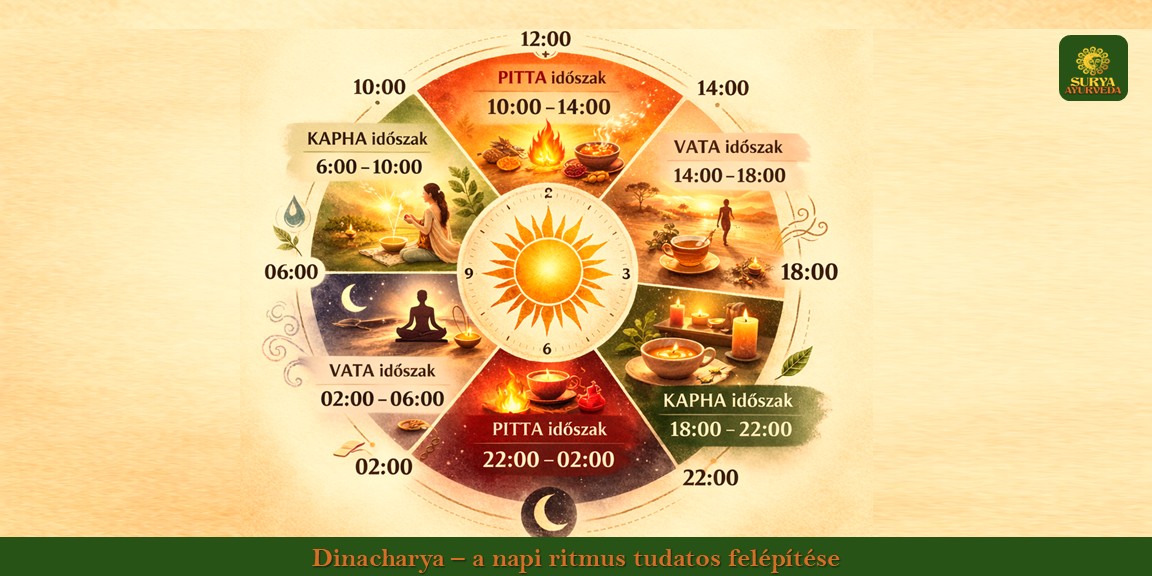


The Challenges of the Winter Season: Vata and Kapha Period
According to the Ayurvedic calendar, winter is the season of the two coldest doshas, Vata and Kapha. Early winter, with its cold, dry, and windy weather, strengthens Vata energies, which can cause sensitivity to cold, joint stiffness, and dry skin. Later, from mid-winter onward, the cold, damp, and heavy qualities increase the Kapha dosha, predisposing one to mucus formation, respiratory problems, and fatigue.
Our goal with the Ayurvedic winter diet and nutrition is to counterbalance both effects: strengthen Agni (digestive fire), and introduce warm, nourishing, and grounding qualities.
Basic Principles of the General Ayurvedic Winter Diet
Most importantly, forget your summer habits! Avoid raw, cold salads, cold yogurts, and drinks filled with ice cubes, as these immediately weaken your digestive system.
- Warm and Cooked Foods: Serve plenty of hot soups, stews, steamed or roasted vegetables.
- Don’t Be Afraid of Fats! Cold weather causes dryness. Use high-quality, warming fats such as ghee (clarified butter), sesame oil, or olive oil. This provides internal lubrication and aids the absorption of fat-soluble vitamins and curcumin.
- The Power of Warming Spices: Cook generously with warming, digestion-stimulating spices such as ginger, cinnamon, cloves, cardamom, turmeric, and of course black pepper (which increases the effectiveness of turmeric by 2000%!).
Dosha-Specific Winter Tips
What you should eat specifically depends greatly on your unique body type.
If Vata Dosha Dominates (Cold, Dry, Mobile):
Winter is your greatest challenge; you need stability and warmth.
- Goal: Grounding, warming, internal lubrication.
- Focus: Sweet, sour, salty tastes.
- What to eat: Plenty of grains (cooked oatmeal, rice), root vegetables (carrots, pumpkin, sweet potato—well-cooked, with oil), and use ghee and nourishing spices (ginger, cinnamon) generously.
If Kapha Dosha Dominates (Cold, Heavy, Damp):
Your goal is to avoid winter heaviness, mucus formation, and weight gain.
- Goal: Lightening, drying, stimulation.
- Focus: Pungent, bitter, astringent tastes.
- What to eat: Lighter grains (barley, rye), leafy greens (kale), radish. Increase your spicing! You need chili, cayenne, garlic.
- Avoid: Heavy dairy products (cheese, yogurt) and excessive sweets!
If Pitta Dosha Dominates (Warm, Fire, Intense):
Your Pitta fire remains stable even in winter, but the cold allows you to indulge in heavier foods. Be careful not to increase internal heat excessively.
- Goal: Maintain heat while avoiding stomach irritation.
- Focus: Sweet, sour, salty tastes in moderation.
- What to eat: Consume plenty of ghee and oils. Pumpkin, carrots, and rice are good choices.
- Avoid: Excessive use of chili pepper and vinegary, fermented foods. Use warming but not fiery spices (turmeric, cardamom).
The Key to Health: Unity of Diet and Massage
According to Ayurveda, internal (diet) and external (massage) nourishment together create health.
- If you are a Vata type, alongside your diet, the oily, warm Abhyanga massage provides the missing internal lubrication and grounding, eliminating stiffness.
- If you are a Kapha type, the Udvartana (herbal powder, dry massage) technique helps reduce heavy, damp qualities, stimulating lymphatic circulation.
- If you are a Pitta type, the massage aims to release excessive heat. For you, gentle Abhyanga is recommended with cooling oils (e.g., coconut oil), or Shirodhara (oil pouring on the third eye), which calms the fiery mind.
Remember: your dosha and the current season determine what true balance means for you. Visit us at Surya Ayurveda salons, and with the help of Ayurveda expert Ajay Singh, let us create your personalized winter diet and treatment plan!
Do you already know your dosha? Take our quiz on the website!