

Endometriosis is a condition affecting women, in which uterine tissues and cells group outside the uterus, most commonly causing menstrual pain and infertility. It is the most prevalent condition during reproductive age, affecting 10-15% of women. According to Ayurveda, the proliferation of ama, or toxins, causes endometriosis.
Endometriosis is a condition affecting women, in which uterine tissues and cells group outside the uterus, most commonly causing menstrual pain and infertility. It is the most prevalent condition during reproductive age, affecting 10-15% of women. According to Ayurveda, the proliferation of ama, or toxins, causes endometriosis.
Symptoms of endometriosis include painful menstruation, pelvic pain during ovulation, increased menstrual flow, or bleeding experienced during the cycle, infertility, and pain during sexual intercourse. Its psychological background is often linked to women’s impaired self-acceptance as women and a tense relationship with the opposite sex.
The proliferation of toxins can be caused by an increase in Kapha dosha (water and earth elements) in the body, which, due to its heaviness, burdens the body with excess substances. A decrease in Vata dosha leads to constriction, thereby limiting the outflow of waste materials generated in the body. A potentially weak fire element, i.e., Pitta dosha, cannot burn these excess substances, causing them to remain trapped in the body. According to Ayurveda, the causes of endometriosis are:
- Mental stress, an overburdened nervous system, and daily imbalance
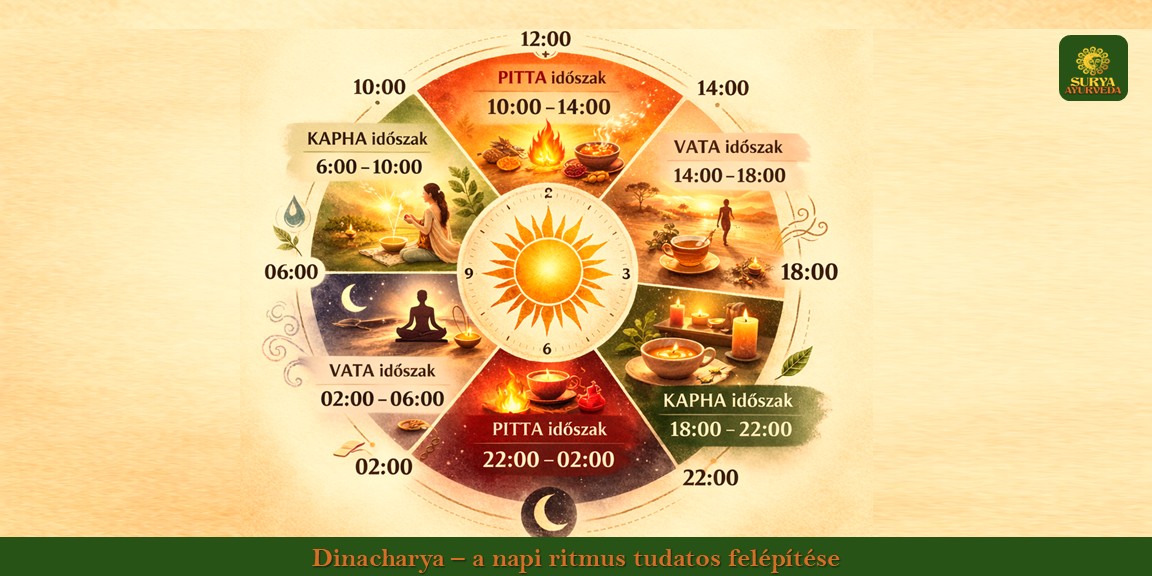
- Disruption or absence of daily routine
- Weak digestion and metabolism
Accumulation of waste products in cells and tissues, which reduce the efficiency of the circulatory system, thereby causing various lumps and formations.
AYURVEDIC TREATMENT FOR ENDOMETRIOSIS
Although according to the current state of Western medicine, endometriosis can only be treated surgically, Ayurveda, in contrast, offers natural treatment methods that can be performed by anyone.
Steps in Endometriosis Treatment:
- Body detoxification
- Dietary reform
- Ayurvedic detoxifying body therapies
- Stress-reducing mental therapies
Body detoxification occurs on multiple levels. Complete detoxification is a ritual for detoxifying the stomach, intestines, blood, and cells. For this, Ayurveda recommends enemas, purgatives, emetics, various fasts (e.g., juice fasts), herbal tea consumption, and rekindling the digestive fire. More details on detoxification can be found in the article “Detoxification in Practice.” With detoxification, the body’s blocked channels reopen, and by stimulating blood circulation, the body will be able to remove accumulated waste products. If herbal preparations are used, avoid estrogen-containing substances and herbs, such as yarrow. Estrogen-containing substances promote the recurrence of various lumps (such as endometriosis)!
During dietary reform, individuals struggling with endometriosis should consume more sweet-tasting foods (pasta, meats, grains, dairy products, sweet and juicy fruits, eggs), but the focus should be on naturally sweet foods, not chocolates and sweet biscuits. These should rather be avoided. Avoid cold foods; instead, consume freshly prepared, warm meals! In addition to sweet tastes, salty tastes also help, as salt dissolves hardened and clumped waste products. Furthermore, due to its Pitta nature, the salty taste supports the rekindling of the digestive fire, which is also necessary for transforming many toxins.
Regular Ayurvedic oil massages are also beneficial for body detoxification. These massages always select the medicinal oils used for treatment according to the individual’s Ayurvedic body type and condition. Warming and softening procedures concluding the treatment (e.g., herbal steaming, herbal or rice poultice rubs) liquefy the toxins loosened during the massage and help their expulsion from the body.
To reduce stress, create a pleasant environment at home where you enjoy spending time and can peacefully rest. Establish a daily routine that you strive to follow, incorporating practices to calm your mind. Regular meditation and quiet reflection can help us organize our daily challenges and conflicts, and understand their meaning and impact on our lives. Yoga and yogic breathing help calm our minds, move our bodies, stimulate blood circulation, and, thanks to abundant oxygen intake, support the transformative work of the digestive fire. It is best to go to bed on time, around 10 PM, to allow ample time to rest from the previous day’s fatigue until the next morning.