

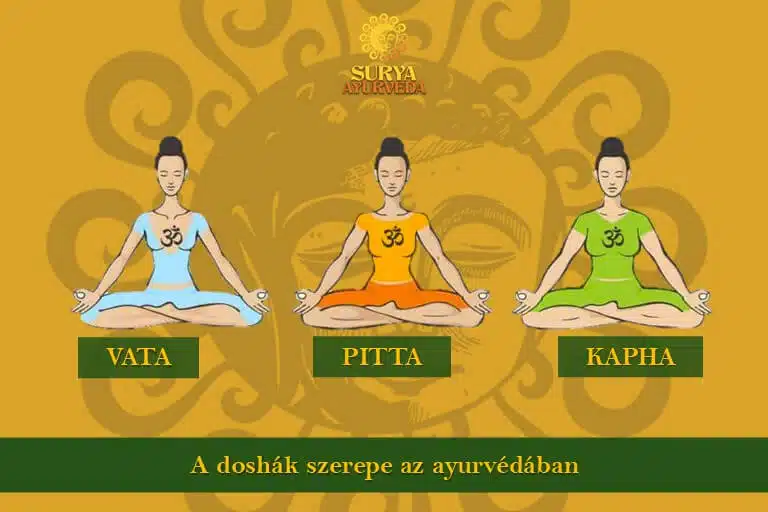
When defining Ayurvedic body types based on doshas, it is important to note that these descriptions reflect the pure aspects of each constituent element; however, no individual constitution is composed of only one element. In reality, every person is a combination of the three elements, with a dominant inclination towards one or another. Therefore, it is important not to draw overly strong or definitive conclusions based on these fundamental descriptions. The determination of one’s type should serve only as guidance for various aspects of life, such as diet, to help promote a lifestyle that fosters health.
Ayurvedic Body Types – the VATA CONSTITUTION
Individuals with a Vata constitution are generally physically underdeveloped. Their chests are flat, and their veins and muscles are visible. They typically have a few moles, which are usually dark.
Vata individuals can be either excessively short or tall, with a thin physique that reveals their major joints and bone endings. Their eyes may be sunken, small, dry, and restless, with dry and sedimented conjunctiva. Their hair is curly and sparse, and their eyelashes are thin. Their nails are rough and brittle.
Physiologically, their appetite and digestion are variable. Vata individuals crave sweet, salty, and sour foods and prefer warm drinks. Their urine production is infrequent, and their stools are dry, hard, and scanty. They are less prone to sweating compared to other constitutional types. They are restless sleepers and sleep less than others. Their hands and feet are often cold.
Psychologically, Vata individuals are creative, active, and restless. They speak and walk quickly but tire easily. They are characterized by a short memory yet quick comprehension. They possess little willpower, are prone to mental instability, and exhibit low tolerance, self-confidence, and boldness. Their reasoning skills are weak; they are nervous, timid, and often plagued by anxieties.
Vata individuals tend to earn money quickly and spend it just as fast. Consequently, they are generally not affluent.
Ayurvedic Body Types – the PITTA CONSTITUTION
Pitta individuals are of medium height, slender, but rounder than Vatas, with a delicate physique. Their chests are not as flat, and their veins and muscles are moderately visible. They have numerous moles or freckles, which are bluish or brownish-red. Their bones are not as prominent as those of Vata individuals, and their muscle development is moderate.
The Pitta complexion can be coppery, yellowish, reddish, or fair. Their skin is soft, warm, and less wrinkled than Vata skin. Their hair is thin, silky, red or brownish, and they are prone to premature graying or baldness. Their eyes can be gray, green, or coppery-brown and sharp; the eyeballs are moderately prominent. The conjunctiva is moist and coppery-colored. Their nails are soft.
Physiologically, these individuals possess a strong metabolism, good digestion, and consequently, a healthy appetite. A Pitta individual typically consumes a lot of food and fluids. They naturally crave sweet, bitter, and astringent tastes and prefer cold drinks. Their sleep is of moderate duration but undisturbed. They produce a large amount of urine, and their stools are yellowish, moist, soft, and abundant. They are prone to heavy sweating. Their body temperature may be slightly elevated, and their hands and feet are generally warm. Pitta individuals tolerate sunlight, heat, or strenuous work poorly.
Psychologically, Pitta individuals possess good comprehension skills: they are highly intelligent and clever, and typically good speakers. Emotionally, they are prone to hatred, anger, and jealousy.
They are typically ambitious individuals who enjoy leadership roles. Pitta people value material well-being and are generally quite affluent.
Ayurvedic Body Types – the KAPHA CONSTITUTION
The bodies of Kapha individuals are well-developed. However, they are strongly prone to being overweight. Their chests are prominent and broad, and their veins and tendons are not visible because their skin is thick and their muscle development is good. Their bones are not prominent.
Their complexion is fair and radiant. Their skin is soft and oily, also cold and pale. Their hair is thick, dark, soft, and wavy. Their eyes are deep-set, black or blue; the whites of their eyes are typically very white, large, and attractive. Their conjunctiva is not prone to inflammation.
Physiologically, Kapha individuals have a regular appetite, but their digestion is relatively slow, leading them to consume less food. They move slowly. They crave pungent, bitter, and astringent tastes. Their stools are soft, pale in color, and their elimination is slow. They sweat lightly. Their sleep is peaceful and long. Their strong vitality is evidenced by their good stamina, and Kapha individuals are generally healthy, happy, and peaceful.
Psychologically, they are prone to tolerance, calm, forgiveness, and love, yet they also possess traits of greed, attachment, envy, and possessiveness. Their comprehension is slow but steady: once they understand something, that knowledge remains with them.
Kapha individuals are consistently affluent; they know how to earn money and are capable of retaining it.
Source: Dr. Vasant Lad: Ayurveda – The Science of Self-Healing